In brief: AI-related investment is supporting growth and trade, while conflict-related energy and shipping risks are adding cost and uncertainty. For investors, earnings, inflation, interest rates and portfolio risk matter more than headlines alone.
As of 15 October 2026, the global market story is being pulled by two powerful forces. Companies are spending heavily on artificial intelligence infrastructure, helping demand for semiconductors, servers and related equipment. At the same time, conflict and attacks affecting energy infrastructure and shipping routes have made the outlook for fuel and transport costs less certain.
That combination does not point to one automatic direction for markets. It means investors need to separate the growth story from the risks that could affect prices, company margins and interest rates.
Growth has a tailwind and a headwind
The International Monetary Fund’s October outlook projects global growth of 3.1% in 2026 and 3.4% in 2027. Its assessment describes the AI-related technology boom as a source of stronger demand, while higher energy and commodity prices linked to conflict act as a negative supply shock. These forces can operate at the same time.
Trade data reflects the technology tailwind. The World Trade Organization raised its 2026 merchandise trade growth forecast to 3.9%. It said AI-enabling goods, including semiconductors and servers, accounted for 47% of merchandise trade growth in the first half of the year and were up 67% year over year. The outlook for services trade was weaker: the WTO lowered its growth forecast to 3.3%, citing the effects of conflict on travel and transport.
These are forecasts and reported trade figures, not promises about future returns. Strong demand in a fast-growing industry can support some businesses while leaving others exposed to high valuations, competition or rising costs.
Geopolitics reaches markets through energy and shipping
The International Energy Agency’s October Oil Market Report described a sharp rise in oil prices amid renewed hostilities and risks to energy infrastructure and tanker traffic. It reported that North Sea Dated crude averaged $116.89 per barrel in September and was trading around $134 when the report was prepared. These are dated report figures, not live prices.
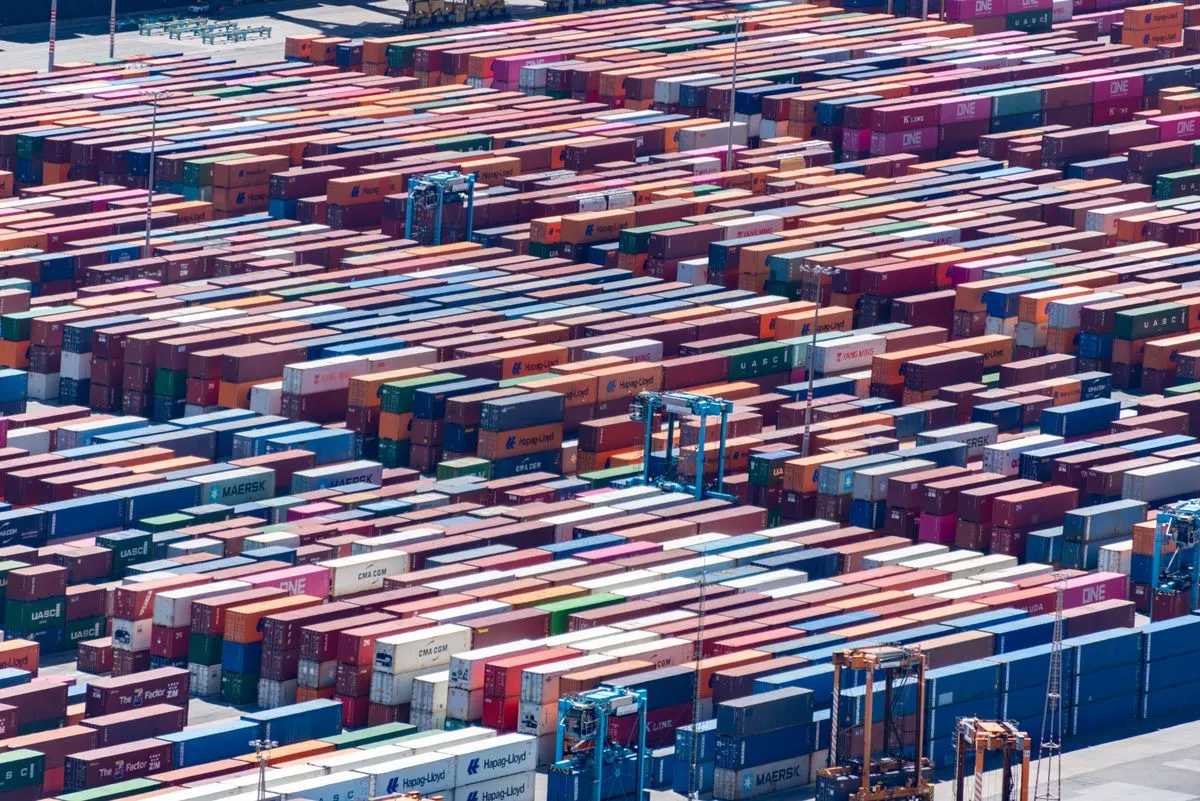
When energy or shipping routes are disrupted, the impact can extend beyond oil producers. Fuel, freight, insurance and input costs can affect airlines, manufacturers, logistics companies and household budgets. If these costs stay elevated, businesses may absorb them, pass them on to customers, or change spending plans. Which outcome occurs depends on the company and the duration of the disruption.
Resilient markets can still be vulnerable
The IMF’s October financial stability briefing said markets had remained resilient, supported by stronger growth data, corporate earnings and optimism about AI. It also highlighted risks worth monitoring: a correction if AI expectations disappoint, rising government bond yields amid inflation and fiscal concerns, and cyber incidents.
Resilience describes what markets have done so far; it does not remove the possibility of sudden repricing. Investors can watch whether company results and cash flows continue to justify expectations, and whether higher bond yields change the cost of borrowing or the relative appeal of other assets.
Why Indian investors should keep an eye on crude
India imports a large share of the crude oil it uses. An RBI Bulletin reported crude import dependency of 88.2% in FY 2024–25. An RBI study estimated that a 10% increase in international crude prices could raise headline inflation by about 20 basis points contemporaneously. The actual pass-through can vary with the rupee, taxes, government measures and other conditions.
For Indian portfolios, the connection is worth understanding rather than treating as a trading signal. Higher energy costs may affect inflation, household spending and the margins of fuel-intensive businesses. Companies with different pricing power, sourcing and balance sheets can respond differently.
A practical watchlist
- Energy and freight: Look for sustained changes in oil, shipping and insurance costs, rather than reacting to a single headline.
- Inflation and interest rates: Watch how energy costs feed into inflation data and bond yields.
- AI earnings: Compare investment and revenue growth with the expectations already reflected in share prices.
- Portfolio fit: Review diversification, time horizon and ability to tolerate volatility before changing an investment plan.
The useful takeaway is not a prediction that markets must rise or fall. Technology investment can support activity while geopolitical shocks create inflation and supply risks. A disciplined investor can follow both, stay diversified and make decisions based on their own goals and risk capacity.
Disclaimer: This article is for general information and investor education. It is not investment advice, a recommendation, or a forecast of returns. Market conditions can change; consider your objectives and risk tolerance before investing.
Educational commentary by Investo Experts Editorial Desk. Research Desk is a content-section name, not a SEBI research-analyst or investment-adviser registration. No personalised recommendation is provided.